Aluminum Melting Burner for Aluminum Melting Furnace and Holding Furnace
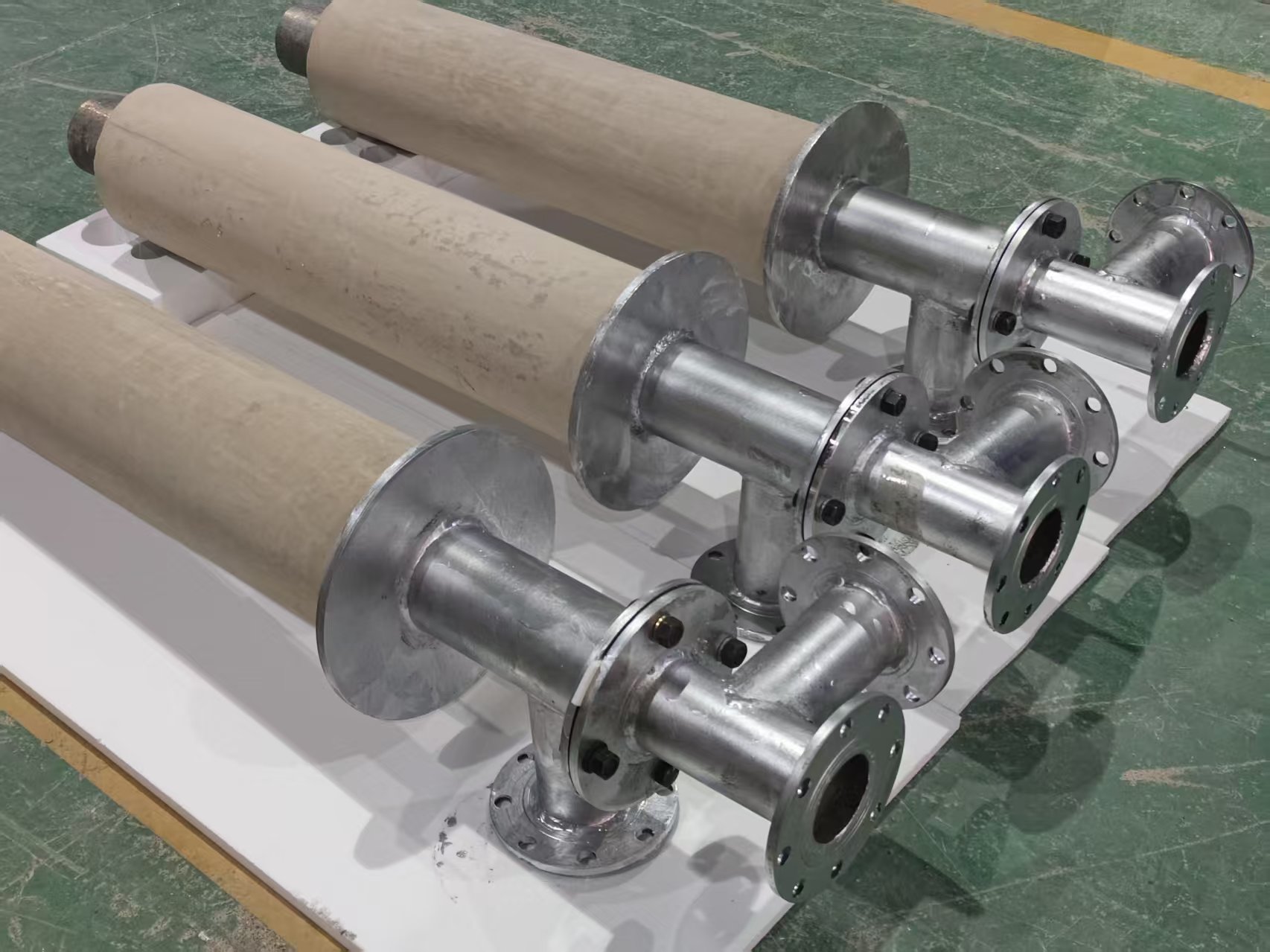
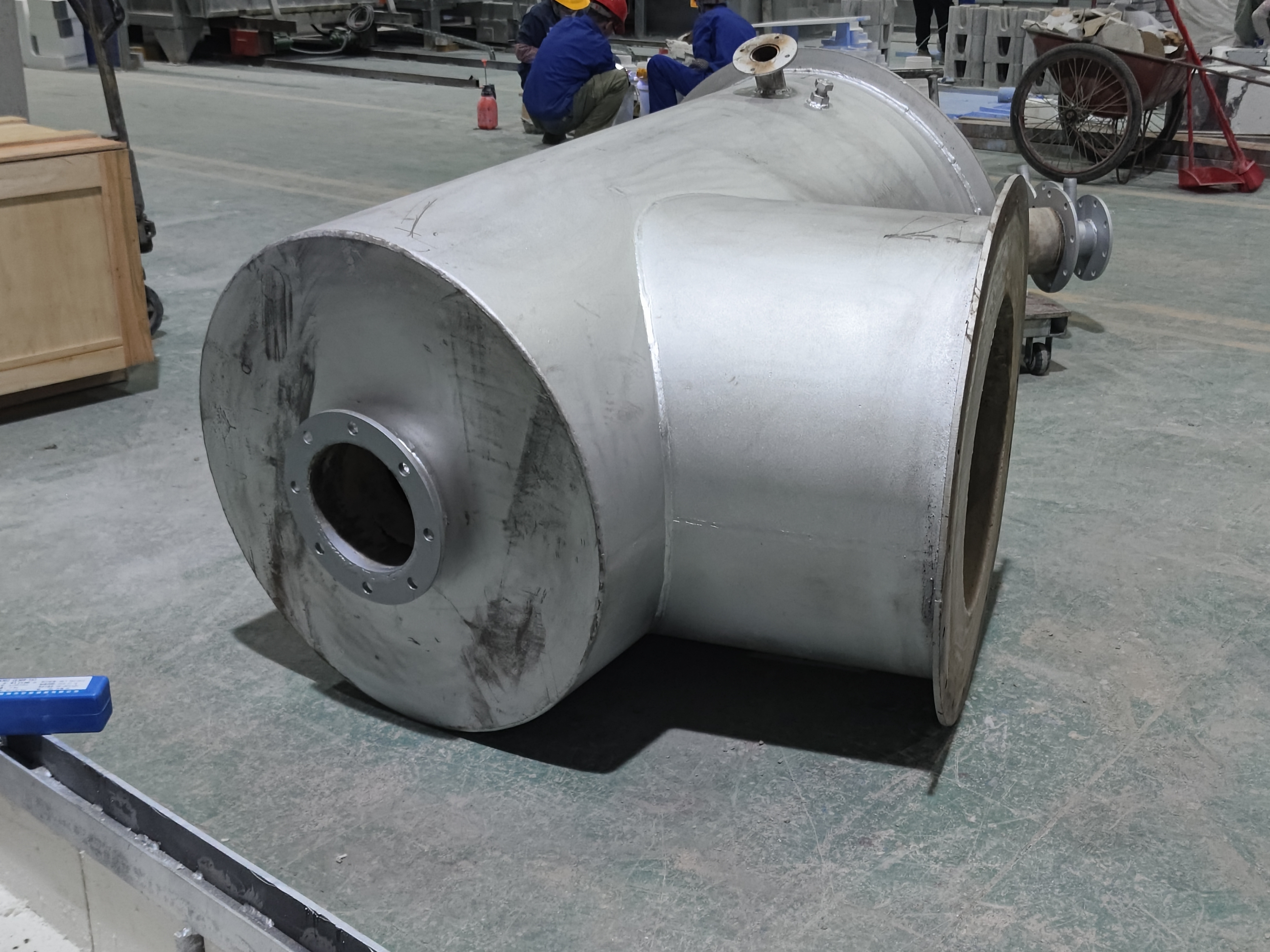
Engineered for Extreme Metallurgical Environments:
Aluminum melting and refining processes place extreme demands on furnace burner components. Conventional alloy burner tubes frequently suffer from oxidation, thermal warping, and destruction caused by corrosive flux vapors.
Our Silicon Carbide (SiC) Burner Assembly is specially built to overcome these challenges. Combining an advanced SiC immersion sleeve with an optimized gas-air manifold, this burner provides intense, uniform heat transfer while resisting harsh aluminum dross and thermal shock. Upgrading to SiC burners extends your operational lifespan, cuts fuel costs, and minimizes unexpected furnace downtime.
Applications:
- Aluminum Melting Reverberatory Furnaces
- Aluminum Holding & Casting Furnaces
- Secondary Aluminum & Scrap Recycling Furnaces
- Crucible & Homogenizing Furnaces
System Integration / Required Accessories:
Combustion Air Blower
Function: Provide high-pressure and stable combustion air to ensure that the gas is fully mixed within the burner (T-shaped pipe), achieving complete combustion.
Gas & Air Control Valves
1.Proportional regulating valve (Air/Gas Ratio Regulator): Automatically maintains the optimal ratio of air to gas, achieving the effect of energy conservation and cost reduction.
2.Electromagnetic shut-off valve (Safety Shut-off Valve): In case of emergency, it cuts off the gas supply to ensure safety.
3.Manual ball valve and pressure regulating valve: Used for initial pipeline pressure regulation and for isolating during routine maintenance.
Ignition & Flame Monitoring System
- Automatic Spark Igniter (also known as): Used for automatic ignition of the burner.
- UV Sensor / Flame Rod): It continuously monitors whether there is a flame in the furnace, preventing accidental flameout which could lead to gas leakage accumulation and subsequent explosion.
Burner Controller / BCU
Function: The brain control center, receiving signals from the temperature control instrument, automatically executes automated procedures such as purging, ignition, flame monitoring and fault alarm.
Thermocouple & Temperature Controller
Real-time measurement of the temperature of the molten aluminum or the furnace chamber, and the signal is fed back to the controller, which automatically adjusts the combustion power of the burner.
FAQ - Frequently Asked Questions / Aluminum Melting Burner
Q1: How does this burner resist molten aluminum and flux corrosion?
A1: The outer sleeve is made of high-purity Reaction-Bonded Silicon Carbide (RBSiC/SiSiC). Unlike stainless steel or cast iron tubes, RBSiC is chemically inert to molten aluminum, corrosive slag, and chlorine/fluoride refining fluxes. It prevents liquid metal adhesion and chemical degradation, extending service life by 3–5 times.
Q2: Can you customize the burner size, length, or flange connection?
A2: Yes! We specialize in OEM & ODM custom manufacturing. We can fabricate custom ceramic tube lengths, outer diameters, burner capacities (kW / kcal/h), and flange standards (PN10, ANSI 150lb, or custom bolt pattern) based on your furnace wall thickness and thermal design.
Q3: What is the maximum temperature limit for this burner assembly?
A3: The SiC ceramic tube can withstand continuous operating temperatures up to 1380°C (2516°F) without structural sagging or thermal deformation, which is significantly higher than standard aluminum melting temperatures (~700°C–850°C).
Q4: What fuels can this silicon carbide burner operate on?
A4: Our burners are highly versatile and can operate on Natural Gas (NG), Liquefied Petroleum Gas (LPG), Propane, City Gas, and Biogas. We can calibrate the gas nozzle and air mixing system according to your specific local gas type and pressure requirements.
Q5: What is your typical lead time and shipping method?
A5: Our burners are highly versatile and can operate on Natural Gas (NG), Liquefied Petroleum Gas (LPG), Propane, City Gas, and Biogas. We can calibrate the gas nozzle and air mixing system according to your specific local gas type and pressure requirements.


