what is better material for the molten aluminum launder?
For transporting molten aluminum in launders (troughs), fused silica refractory and precast ceramic shapes (silicon carbide or high-alumina base) are generally considered the best options.
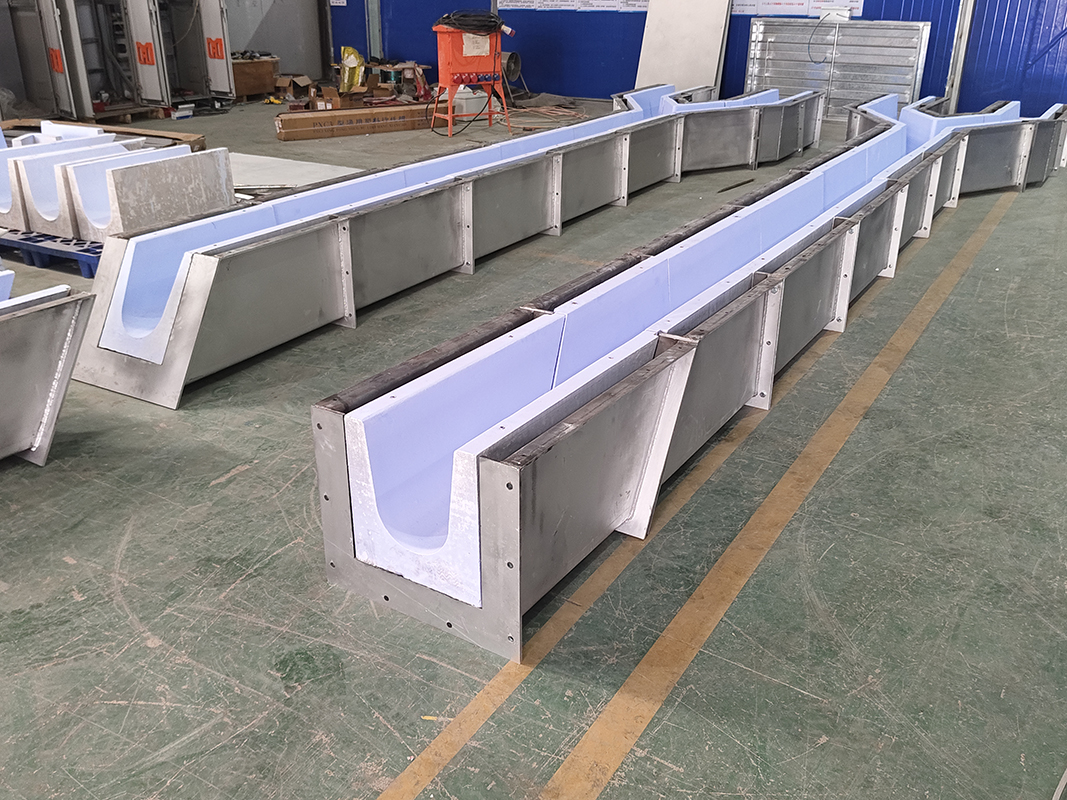
| Fused Silica Ceramics |
Working lining |
Near-zero thermal expansion (exceptional thermal shock resistance), highly non-wetting. |
Higher upfront cost; lower impact strength than dense alumina. |
| Silicon Carbide (SiC) |
Working lining / High-wear zones |
Extremely durable, excellent abrasion resistance, high thermal conductivity (good for heated launders). |
Heavy, higher cost, higher heat transfer requires strong insulation backing. |
| High-Alumina Castables / Precast |
Working lining / Junctions |
High mechanical strength, handles turbulent flow well, cost-effective. |
Higher thermal expansion makes it prone to thermal cracking over frequent heating cycles. |
| Vacuum-Formed Ceramic Fiber |
Working lining (lightweight setups) |
Extremely low heat loss, non-wetting, easy to repair, very lightweight. |
Lower mechanical/impact resistance against heavy tools or physical abuse. |
| Calcium Silicate Board |
Backup insulation |
Outstanding thermal insulation, keeps outer steel shell cool. |
Low mechanical strength; strictly used behind the wetted refractory lining. |
Summary of refractory materials for flow channels
1.Fused quartz preforms [The preferred choice in most cases]
Mid-range price, non-stick aluminum, small temperature drop, easy installation; suitable for conventional 720-780℃ aluminum liquid, small/middle-sized / medium-capacity
ordinary flow channels, with the best overall cost performance.
2.Silicon nitride combined with silicon carbide [for high-end heavy-duty applications]
The price is high, but it is resistant to erosion and has a long service life. It is suitable for large-scale continuous production lines, pipe bends with impact positions, and working conditions with high downtime losses. Small factories may not find it cost-effective.
3.Non-stick aluminum casting material [for modification / for special shapes]
The material is inexpensive, but it has high requirements for construction and baking, and has a short lifespan. It is mainly used for the renovation of old tanks, non-standard and irregular flow channels, and new standard flow channels are not given priority.


