How to reduce temperature drop in aluminum launder?
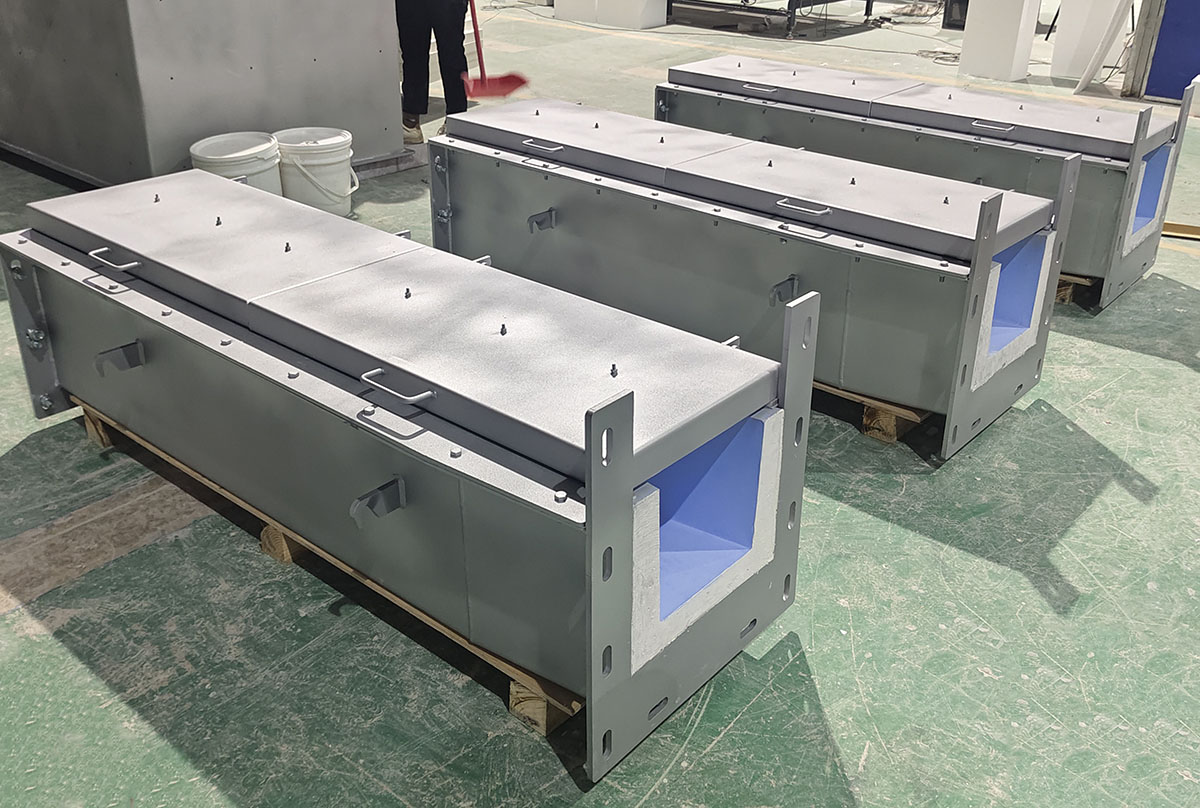
Reducing temperature drop during molten aluminum transfer in launders (troughs) is critical for aluminum casthouses and foundries. Temperature loss leads to premature solidification, poor metal flow, dross formation, and high energy costs associated with re-heating in holding furnaces.
Here is a comprehensive guide on how to minimize thermal loss in molten aluminum launders, written from an engineering and operational standpoint for overseas aluminum plants.
1. Upgrade Refractory & Insulation Materials
The primary cause of temperature drop is thermal conduction through the launder walls. Upgrading the lining material directly impacts heat retention.
-
Use Low-Thermal-Conductivity Refractories: Replace dense refractories with lightweight, non-wetting precast shapes, such as fused silica, calcium silicate, or high-purity ceramic fiber boards.
- Implement Multi-Layer Insulation:
- Working Lining: Non-wetting, thermal-shock-resistant precast ceramic (prevents metal penetration and sticking).
- Backing Insulation: High-performance microporous insulation panels or dense ceramic fiber blankets to trap heat inside the steel casing.
-
Prevent Metal Penetration: Ensure the working layer is fully treated with non-wetting agents (e.g., boron nitride coating) to prevent metal penetration, which increases thermal conductivity over time.
2. Utilize Sealed & Insulated Covers
Install Well-Fitted Insulated Lids: Keep the launder completely covered with tight-fitting, insulated covers during operation to block radiative heat loss.
Minimize Openings: Ensure observation ports, degassing interfaces, and filter box connections are tightly sealed with ceramic gaskets or thermal blankets.
Reflective Top Plates: Use high-emissivity refractory linings on the inside of the covers or stainless steel exterior plates to reflect radiant heat back into the melt.
Uncovered or open launders lose a massive amount of heat through thermal radiation to the surrounding atmosphere.
3. Implement Effective Launder Pre-heating
Pouring 700℃+molten aluminum into a cold or insufficiently heated launder causes a severe initial temperature drop due to heat absorption by the refractory.
-
Achieve Adequate Surface Temperatures: Pre-heat the inner refractory lining to at least 500℃ - 600℃ (or close to the molten metal temperature) prior to metal flow.
-
Use Controlled Heating Systems: Employ high-velocity gas burners or radiant electric heating covers to distribute pre-heat evenly along the entire launder length, preventing cold spots and thermal shock cracking.
4. Integrate Active Heating Systems (Heated Launders)
For long-distance transfers or continuous casting operations, passive insulation alone may not prevent temperature drops.
- Electric Radiant Heating Covers: Install electric heating elements (e.g., silicon carbide or metallic elements) inside the launder covers to actively maintain melt temperature throughout the run.
- Submerged Heating Elements: In critical or quiet zones (like filter boxes or tundishes), submerged ceramic heaters can compensate directly for thermal losses.
5. Optimize Launder Geometry & Flow Dynamics
The physical layout and flow parameters directly affect heat dissipation rates.
- Minimize Surface-Area-to-Volume Ratio: A deeper, narrower U-shaped or V-shaped trough channel exposes less surface area relative to the volume of liquid metal compared to a wide, shallow trough.
- Shorten Transfer Lengths: Redesign casthouse layouts where possible to minimize total launder length and eliminate unnecessary right-angle bends or drops.
- Optimize Flow Rate: Increasing the metal flow velocity reduces the residence time of the liquid aluminum inside the launder, resulting in lower temperature loss per meter of transfer.


