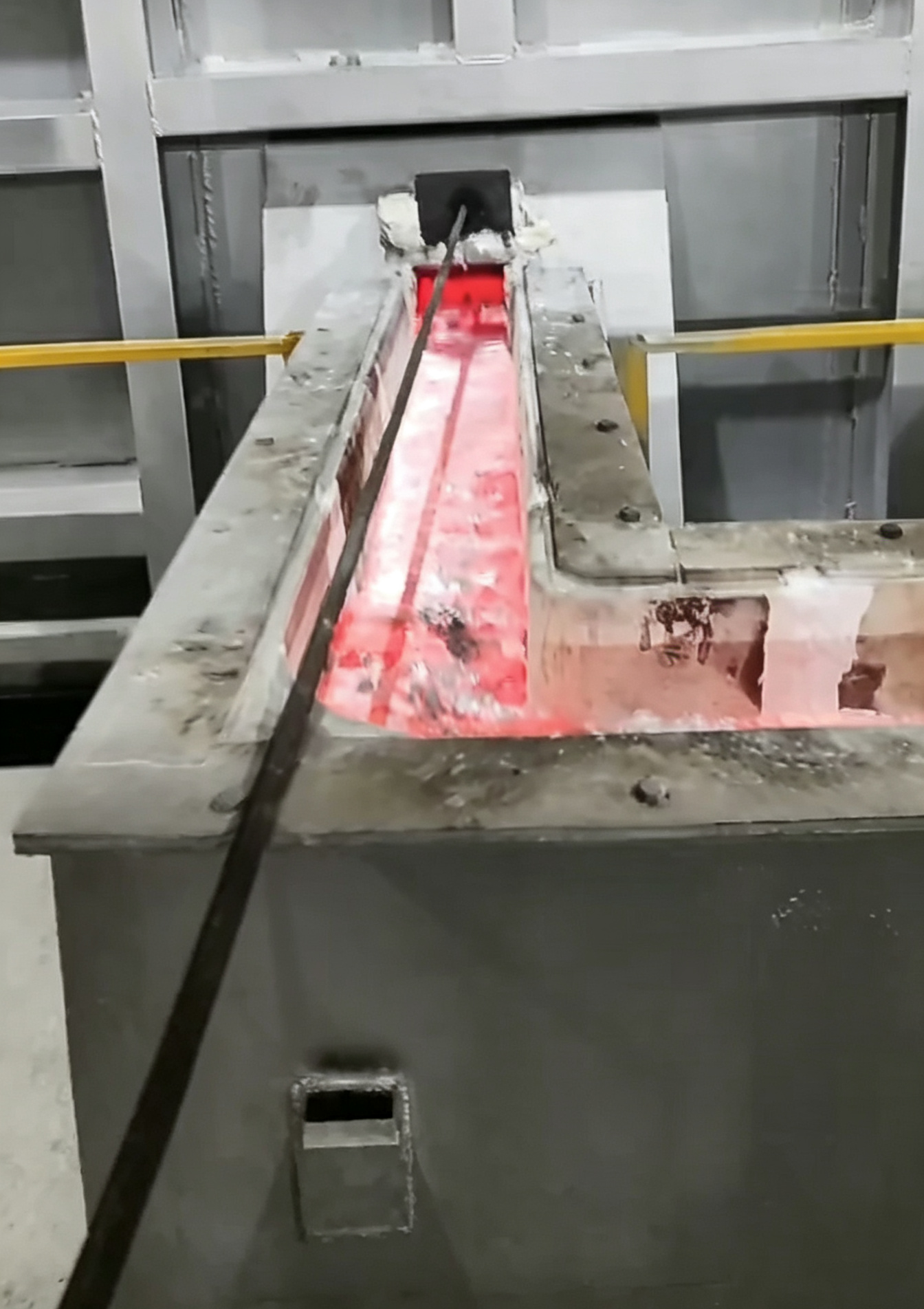
How to Maintain a Molten Aluminum Launder
Molten aluminum launders are critical refractory channels used to transfer liquid aluminum from furnaces to casting machines. A well-maintained launder prevents aluminum leakage, reduces metal loss, avoids oxide formation, and extends the service life of the refractory lining. Poor maintenance leads to unexpected downtime, safety hazards, and higher production costs. Below is a complete guide to molten aluminum launder maintenance for aluminum foundries and smelters.
1. Pre-Operation Inspection
Before pouring molten aluminum, perform a full visual and structural check on the launder system.
- Check the refractory lining for cracks, spalling, erosion,and loose sections. Even small fissures can allow molten aluminum to penetrate the substrate.
- Verify all joints, expansion gaps,and sealing parts. Damaged gaskets or poor joints are common leak points.
- Confirm that heating and insulation systems are working properly. Maintain thecorrect temperature to prevent premature solidification of aluminum inside the channel.
- Remove residual debris, aluminum dross,and leftover metal from the previous run. Dross buildup accelerates refractory corrosion.
2. In-Service Daily Maintenance
During production cycles, regular monitoring is essential.
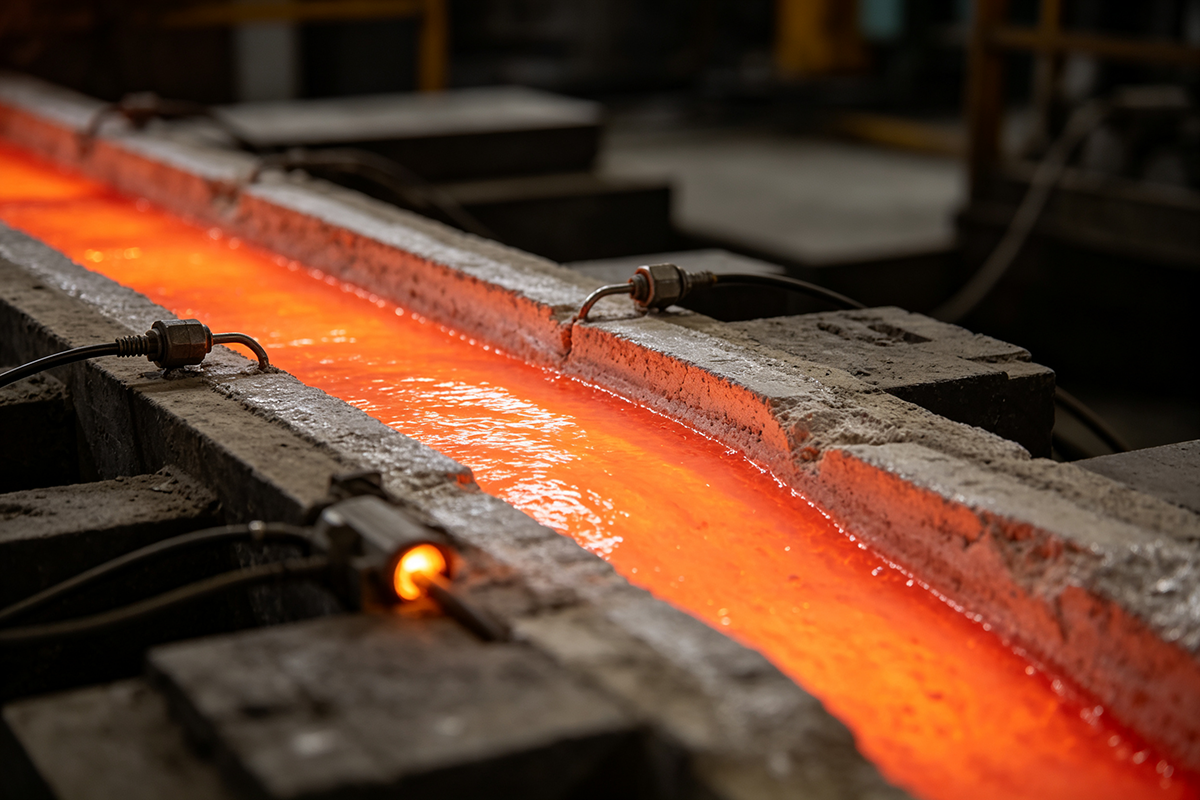
- Monitor the launder surface temperature continuously. Overheating accelerates refractory degradation, whilelow temperature causes aluminum solidification and blockages.
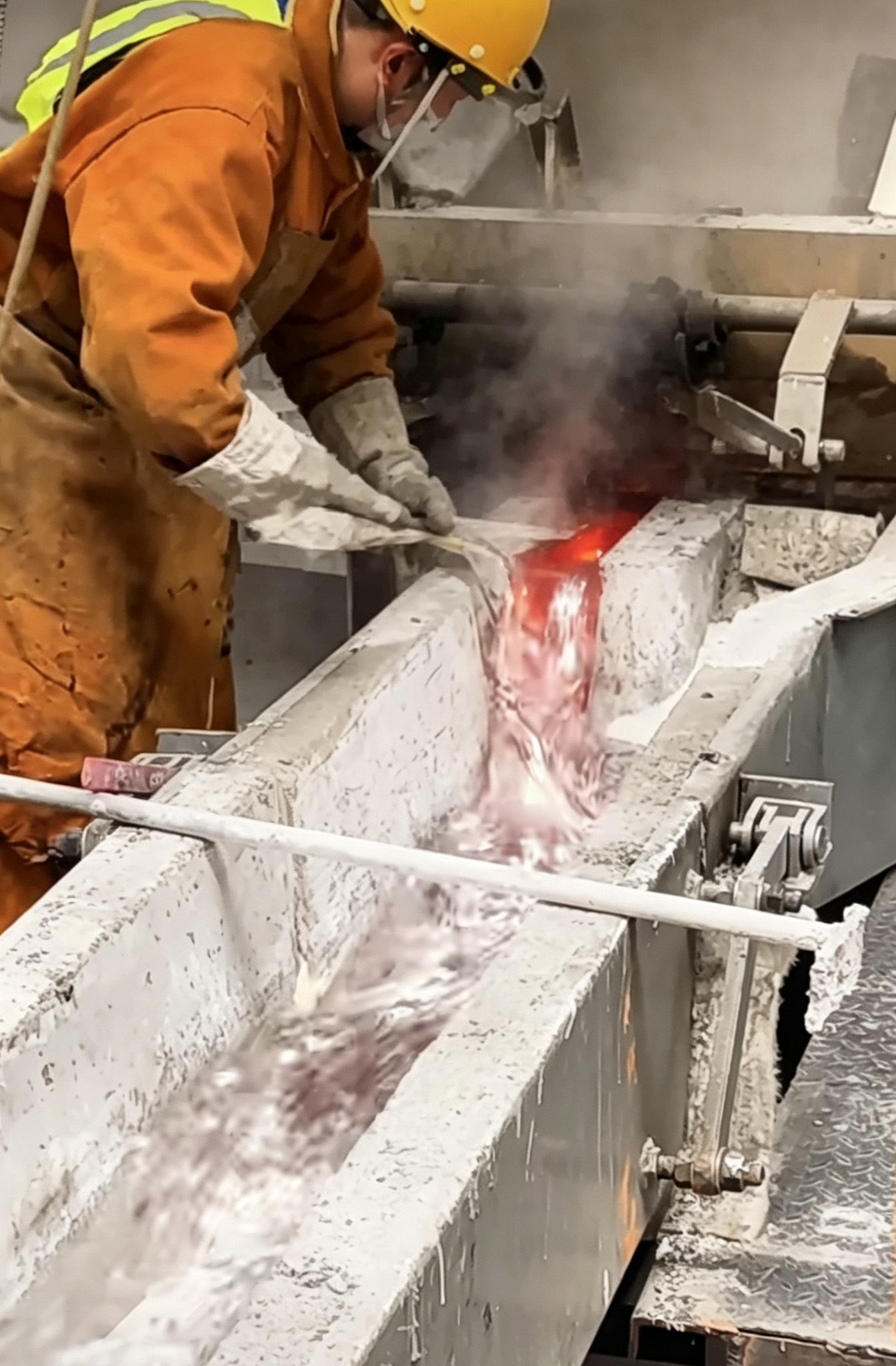
- Skim aluminum dross and oxides fromthe molten metal surface on schedule. Do not scrape the refractory lining when cleaning dross.
- Check for metal seepage at the bottom and side walls. Minor seepage must be marked and repaired during the next shutdown.
- Avoid sudden thermal shocks. Never rapidly pour supercooled or overheated molten aluminum into the launder. Rapid temperature swings crack refractory materials.
3. Post-Shutdown Maintenance & Cleaning
After production stops, follow standard cooling and cleaning procedures.
- Cool the launder gradually. Forced fast cooling will create thermal stress and crack the refractory lining.
- Remove solidified aluminum and dross gently. Use non-abrasive tools to prevent scratching the refractory surface.
- Inspect all wear zones: metal impact zones, corners, bends,and flow turning points usually wear much faster than straight sections.
- Repair small cracks and eroded areas with matching refractory repair compounds. Do not mix different refractory materials.
4. Refractory Lining Care (Core Maintenance)
The refractory lining is the most consumable part of a molten aluminum launder.
- Select anti-wetting, aluminum-resistant refractory materials. Non-wetting refractory reduces aluminum adhesion and metal penetration.
- Re-line the launder when erosion depth exceeds the safe threshold. Do not continue operation with heavily worn lining.
- Cure new refractory lining strictly as per manufacturer instructions. Incomplete curing causes early failure.
5. Common Problems & Preventive Tips
- Aluminum penetration into refractory: caused by cracks, poor material,or thermal shock. Prevent through regular inspection and gradual temperature change.
- Dross accumulation: slows metal flow and pollutes molten aluminum. Maintain routine dross skimming.
- Launder leakage: mostly from worn joints or lining spalling. Early detection can avoid emergency shutdown.
- Short lining service life: often from improper curing, mechanical impact,or wrong refractory grade.
6. Safety Notes During Maintenance
- Only perform inspection and repair after the launder has fully cooled
- Wear high-temperature protective equipment when working near hot launders.
- Keep flammable materials away from the molten aluminum transfer area.